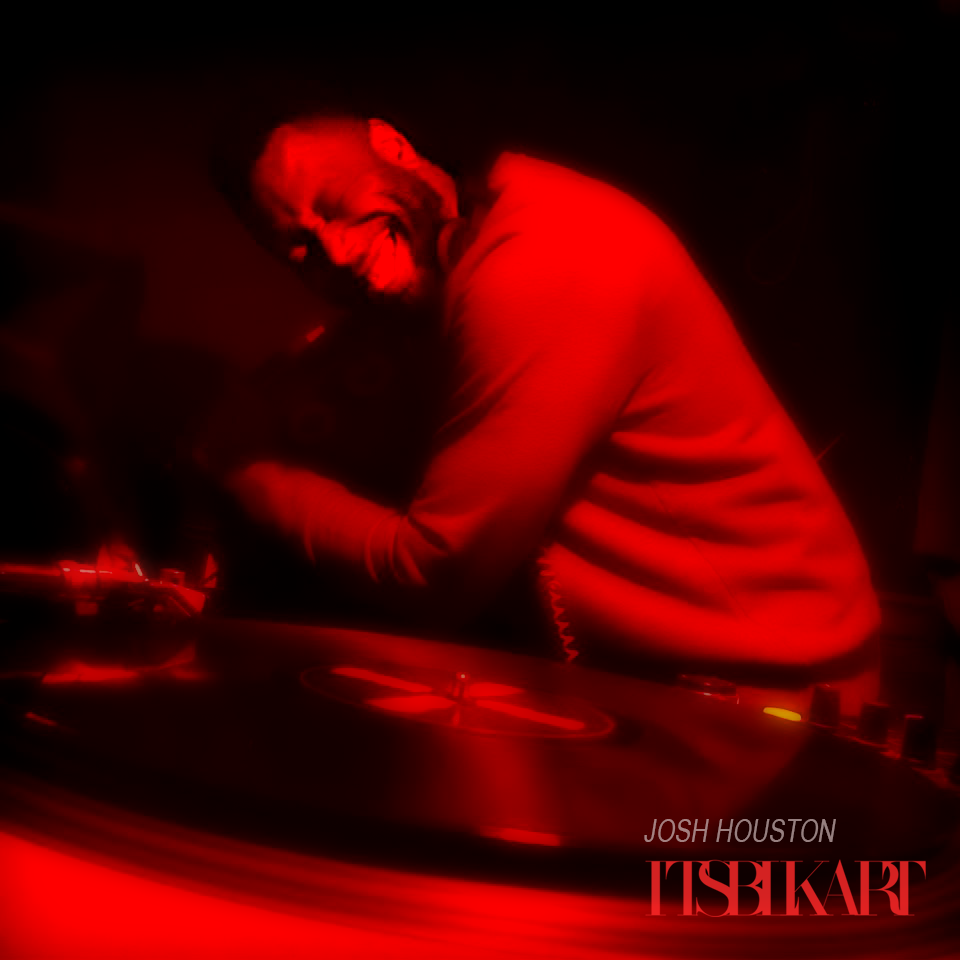
As JAME$ ERVIN, Houston has moved through multiple versions of Seattle nightlife—different clubs, different crews, different sounds, different people deciding who gets a night and who does not. He came up in a culture where becoming a DJ meant going to record stores, asking questions and learning through proximity. He has watched that world give way to cue buttons, controllers and endless information online, and eventually to an industry where DJs are increasingly expected to be content creators too, feeding social media and keeping an eye on views, branding and numbers that have little to do with what happens between a record and a dance floor.
Somewhere in all of that, the pleasure started disappearing. "My excitement and happiness was missing," Houston says. "It started to feel like a job and I just was going through the motions."
He went shopping for music again, returning to the sounds that had taught him how to DJ in the first place: funk, disco, house, French house, Italo, gospel, heavy vocals. Houston had always been interested in the history surrounding those records—the films and documentaries, Ballroom culture, house music history and the Black cultural lineage underneath it. Revisiting that music clarified what he had stopped hearing in much of what he was playing.
"Soul, blackness, culture," he says. "I just want more soul and sound and freedom."
He wanted to dig again. He wanted to play again. The rhythm returned. So did the smile.
Yeah, disco saved me. My culture and history saved my spirit for sure.
This wasn't a comeback. Houston hadn't disappeared. His booking history stretches across enough parties, residencies, promoters and clubs to form its own partial map of Seattle after dark. Disco didn't give JAME$ ERVIN access to that world; he already had it. What it returned was some of the pleasure of being there.
Even the name predates much of that history. Houston wanted a DJ moniker connected to himself and his family rather than a gimmick, with a little wordplay tucked inside: James $ERVIN. James serving. Serving music. Asked where it all began, he can't resist answering, "It begin in AFRICA," before quickly adding, "jk no seriously."
That humor follows him into the less funny parts of his history. Houston doesn't seem particularly interested in turning longevity into mythology. The name, he says, has "peaked and plundered here and there," and he doesn't entirely know how he has lasted this long. He's grateful that longtime listeners have developed an idea of what JAME$ ERVIN means musically, and that new faces are still encountering him for the first time.
The city around him, however, is not the city where he started.
A Different Seattle
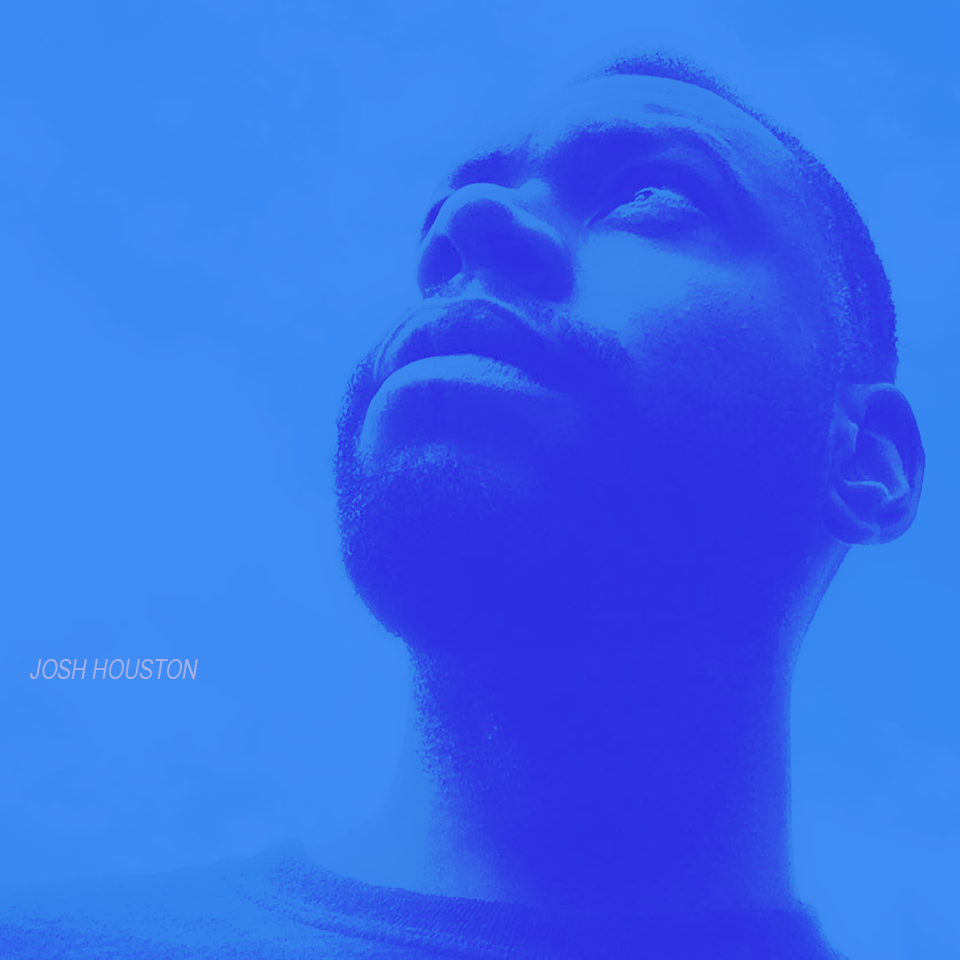
Houston remembers more rooms, and with them, more chances to play. Today he sees more DJs—including more women behind the decks, a change he welcomes—competing for fewer venues. The scarcity has changed more than the number of available gigs; it has changed the way opportunity circulates.
"When there was more venues to play at, bookings just came at you in bunches," he says. Now an event can feel "more coveted and secured than shared." Some of the bookings themselves, he says, can feel "a bit on a loop."
Studio 4/4 occupies an important and complicated place in how he came to understand that ecosystem. Asked which chapter taught him the most about the business beyond the booth, Houston doesn't hesitate: "Studio 44 hands down." He remembers meetings about artists, artwork and promotion, and learning how much collective work sits behind a night the audience experiences for only a few hours. It also taught him something about his own ambitions. He didn't need to be the star or necessarily the person in charge. He liked being part of the team.
"In order to build and grow you truly had to work together in the garden to help it grow," he says.
There was room for discovery too. Houston remembers programming across multiple nights, with someone or something different appearing from Wednesday through Saturday. Being a resident didn't automatically mean the booth belonged indefinitely to the same people. If somebody heard your sound and liked what you were doing, there was a possibility of getting a shot. For a time, Houston assumed the rest of the city operated with a similar openness.
"You find out quickly how tricky it is to move in these circles."
Years of moving through those circles have left him less sentimental about the language of loyalty nightlife often uses to describe itself. Supernova was fun, Houston says, and some of the relationships he built through nightlife became genuine friendships—the kind where seeing one another years later still brings "all love and memories." But he also learned that artists and institutions don't always assign the same value to history, contribution or loyalty.
"Loyalty is a sham," he says, laughing. The exceptions matter, but so does the lesson.
Be mindful of who ya hitch your hopes and dreams to.
Sean Majors once gave him another piece of advice that stayed with him: at some point, you have to write your own story.
Houston can readily name some of the people who helped shape his: Flave, Donald Glaude, Sean Majors, Wesley Holmes, DJ Freeze and Almond Brown. He is less comfortable claiming a formal mentorship role for himself. He has helped his friend DJ Nightmere with gear and mixing, but with so much technical information now readily available, he jokes that "the kids don't need me in their ear."
Influence in nightlife rarely moves through formal channels alone. It can be a record heard at the right moment, a recommendation, an introduction, somebody putting your name forward when there is one open slot on a lineup. After enough years of receiving those opportunities himself, Houston started thinking harder about whose names weren't being mentioned.
The Regular Programming
Houston's criticism of representation in Seattle nightlife doesn't begin with the claim that nobody gave him a chance. Quite the opposite. He was getting booked, and eventually his own access made simply talking about inequity feel insufficient.
Sitting around talking about issues while getting booked made me feel a type of way about my voice and why I was just going along with it.
When opportunities arose, Houston says he pushed other names forward—Black and Brown artists, LGBTQ+ artists and Black women. He saw attempts to broaden the field, but watched many of them fade.
"There was some attempts but it eventually gets back to the regular programming," he says. "It's frustrating but you have to keep trying when the opportunity presents itself."
That description sits alongside another examination of Seattle booking patterns that had been circulating more quietly.
An anonymous audit circulated under the name The Fall examined Habitat programming from 2023 through 2025 and, based on what ITSBLKART has been able to establish, was distributed to a number of local Black artists and DJs. Rather than rely solely on accounts of its circulation, ITSBLKART reached out to The Fall directly. A response came back: an email that appeared to contain little more than strings of code, with the audit attached.
The document was startling. Across 20 verified events and roughly 50 to 55 bookings, the audit identified only about 22 to 25 unique artists. Approximately 85 percent of the programming involved some form of repeated or recycled lineup, leaving about 15 percent for new configurations or introductions.
The repetition becomes more consequential when viewed alongside who was—and wasn't—appearing in that rotation. According to the audit, approximately 79 percent of the bookings reviewed went to white artists; Black artists accounted for roughly 7 percent. Across the entire dataset, only two bookings involved a Black male DJ.
The Fall was anonymous, and its dataset concerns the Habitat programming it examined, not Seattle nightlife in its entirety. But what it documented echoes Houston's description from inside the scene: fewer rooms, familiar names moving repeatedly through lineups, and attempts at broader representation that can settle back into familiar programming.
Houston isn't looking at that system solely from outside it. He has been booked within it, built relationships within it and benefited from opportunities it provided. His own access increasingly became part of the question.
"If we don't have those difficult conversations then how are we moving forward and trying to make change?" he says. "I know it might not change a thing at all but I got to try… well we have to try."
There is no tidy victory attached to that answer. Sometimes a name gets considered. Sometimes a lineup opens. Sometimes everything returns to the regular programming. Houston keeps putting the names forward anyway.
Play That Disco Shit
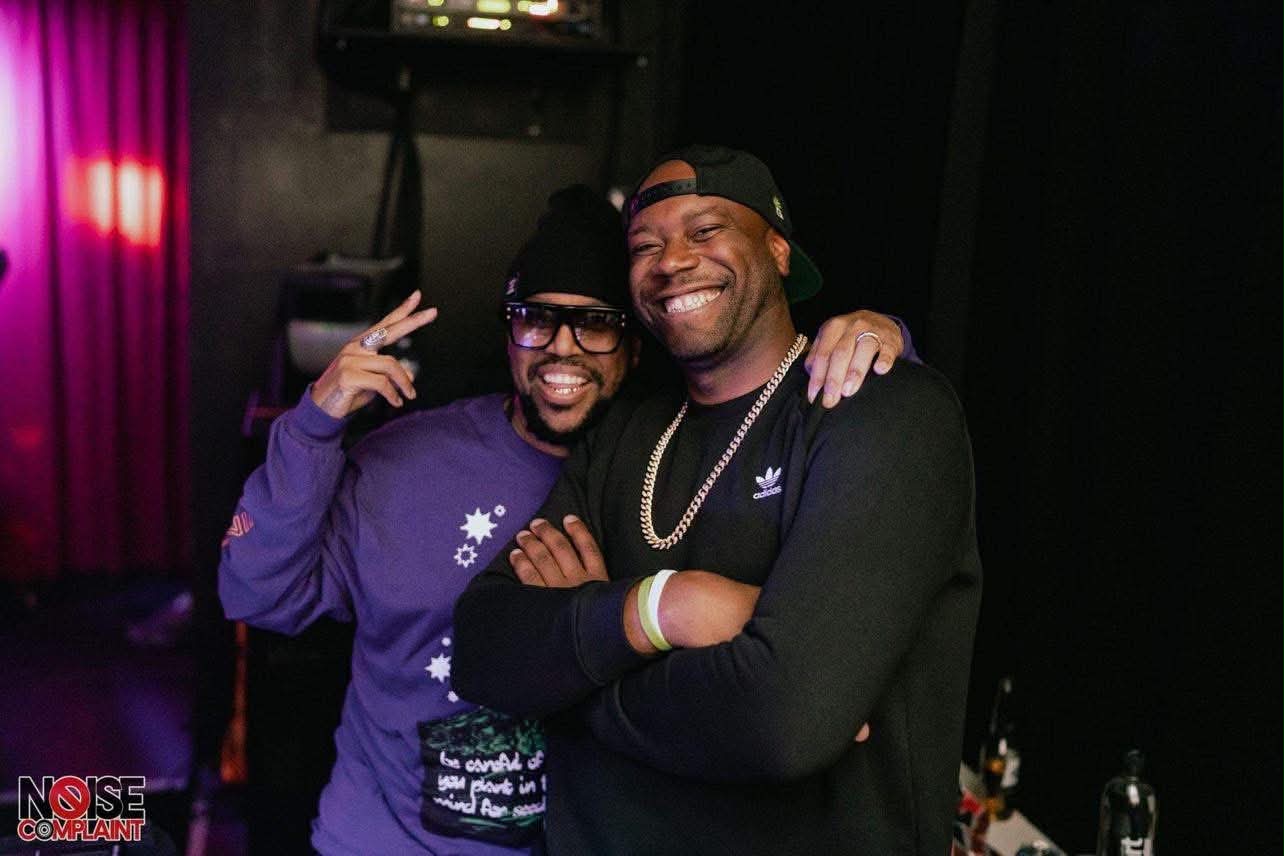
More than a decade ago, Houston appeared on Seattle's Now Serving and talked about a side of nightlife that doesn't always fit neatly beside photographs of packed rooms: exhaustion. The work can be fun and still wear you down. Artists need balance. People need breaks. Loving music doesn't make anyone immune to burnout.
Asked why that conversation still gets mentioned to him years later, Houston has a simple answer: "The honesty."
He was just as direct about the music.
Musically you got to be yourself. No need to follow trends. Play that disco shit if ya love it.
The line sounds different now. More than a decade after offering that advice, Houston found himself having to follow it.
The tech-house territory he had been occupying increasingly felt disconnected from what he wanted to hear and how he wanted to feel. It wasn't that the music couldn't be expertly produced, perfectly cued or harmonically clean. Houston had simply stopped hearing enough of himself in it.
So he went back—not backward, exactly, but back to source material.
Funk gave him rhythm. Gospel and heavy vocals brought voices back into the room. Disco carried a history he could hear and recognize. House connected those histories to the music Houston had spent years playing. French house and Italo widened the vocabulary. Together, those sounds offered something technical precision alone hadn't been giving him: movement with personality, music that could breathe a little, sweat a little, flirt, testify and occasionally refuse to behave.
His enthusiasm isn't confined to old records. Houston points to Dr. Packer, Hatiras, Risk Assessment, St. Jude and Jaegerossa among the producers catching his ear. What interests him is hearing artists understand the vocabulary of disco without simply treating its past as a sample library.
"They have the recipe," he says, "but adding them eleven herbs and spices."
This is where Houston sounds lightest. The history is still there, but it isn't sitting behind glass.
His explanation for lasting as long as he has is similarly unceremonious: be honest with your music, be honest with people, be approachable to a point, keep it fun and don't contort yourself around whatever genre happens to be hot.
And, he adds, "don't be a dick."
After twenty-plus years, Houston has plenty to say about booking politics, shrinking opportunities, complicated loyalties and what comes with having access other people are still fighting to get. None of those things explains why he wanted to become a DJ in the first place.
The music does.
What nearly disappeared wasn't Houston's ability to play. It was the desire to.
Funk, gospel, house, heavy vocals and disco didn't teach JAME$ ERVIN how to DJ again. They reminded Josh Houston why he wanted to.
"It brought my smile back," he says.
Disco saved him. The smile may be the better proof.