The Horn Sections That Raised Me: My Top 10 in R&B and Funk
From Earth, Wind & Fire’s cinematic charts to Con Funk Shun’s unforgiving funk, ten horn sections—and the musicians who became my sports heroes.
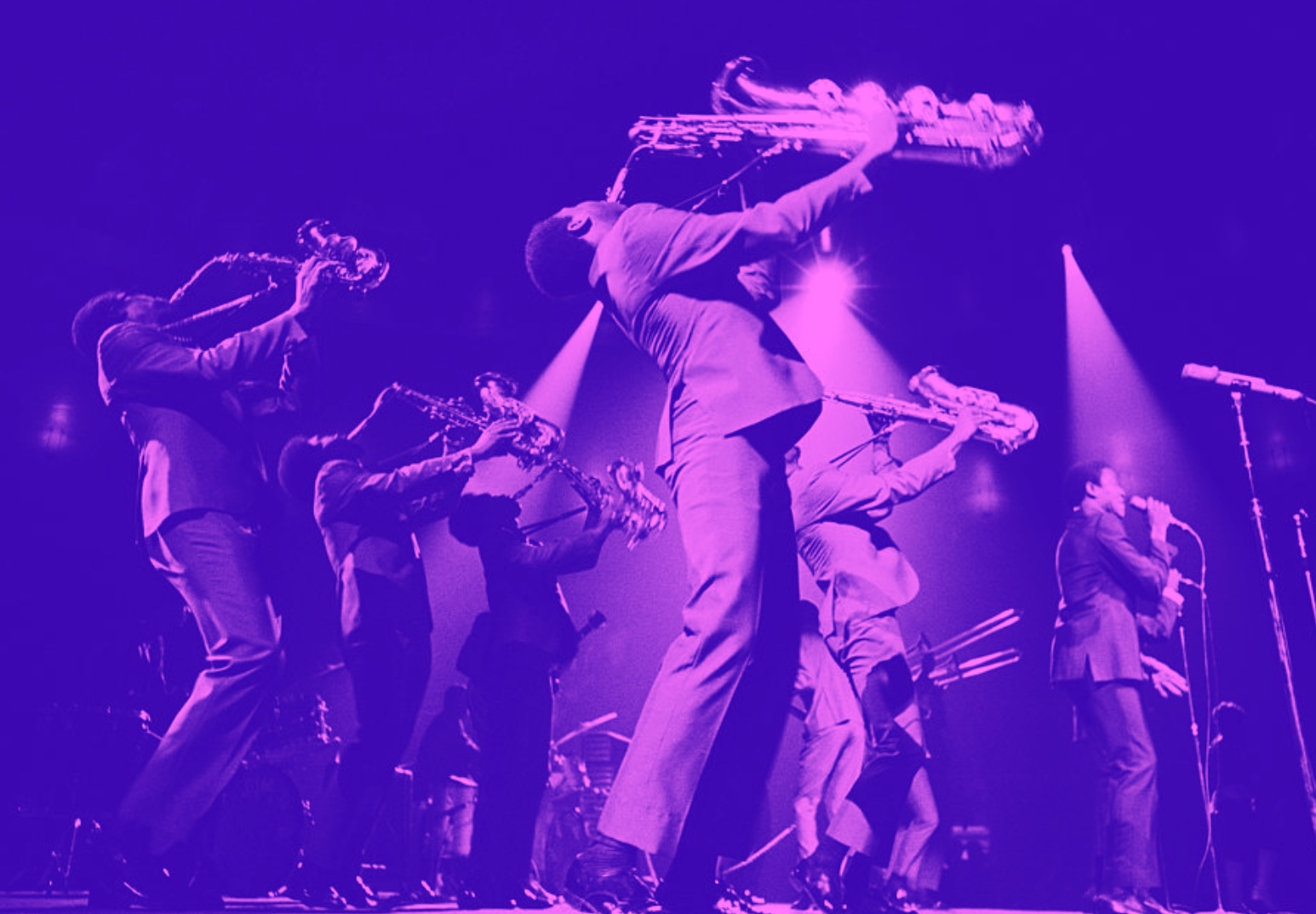
Some people can show you the touchdown, the catch, the play they’ve watched a hundred times. I can show you Felton Pilate putting down a trombone.
There’s a Soul Train appearance of Con Funk Shun performing “Got to Be Enough” that I keep going back to. As I remember it, Felton plays the horn phrase, turns, puts his trombone down, and steps to the microphone. Then he goes back for the instrument, and the whole sequence fits together so beautifully. To me, it’s flawless. Even the transition has been thought through. That tells me something about the performer and the band.
Felton Pilate, Maurice White, Philip Bailey, the cats from the Bar-Kays—those dudes were my sports heroes. That’s the kind of shit I geek out on.
Learning these horn parts shaped my ear as a young saxophone player. Watching the musicians perform made me pay attention to everything around the notes, too.
That’s where this list starts. The charts, the sound of those players together, the way they moved. I want horn parts that make me stop and listen—then put the record on again. And I want to hear that band’s personality across more than one song.
A great horn break can get your attention. What keeps mine is a section that belongs to the band’s identity. Playing a horn, singing, picking up another instrument—Felton is a perfect example of how those responsibilities could live in the same performer.
These are my ten from the R&B and funk bands of the ’70s and early ’80s. Some names will be expected. Others are more if-you-know-you-know. If you were listening to this music, you know why those bands belong in the conversation. There’s room to argue about the order. There should be.
1. Earth, Wind & Fire — the Phenix Horns
Earth, Wind & Fire is at the top for me. The songs could be cinematic, with room for jazz, spiritual imagination, and dance-floor force inside the same musical world. The horn charts met that ambition. Listen to “Jupiter,” “Getaway,” or “In the Stone”: the horns have scale and presence, and the writing belongs to the whole vision of the song.
Across All ’n All, that relationship is a huge part of what holds my attention. EWF could give you polished elegance without taking the dirt out of the funk. A chart could sound grand and still hit you in the body.
The classic Phenix Horns—Don Myrick, Louis Satterfield, Rahmlee Michael Davis, and Michael Harris—helped make that sound recognizable. Woolfolk, who inspired me, was an EWF band member alongside that separately identified section. The arrangements and the players both deserve attention; naming the section alone doesn’t account for every decision that shaped a recording.
“Those horn charts were arranged to be as cinematic and as present as the songs they were sitting in.”
Listen: “Jupiter,” “In the Stone,” “Getaway.”
2. Tower of Power
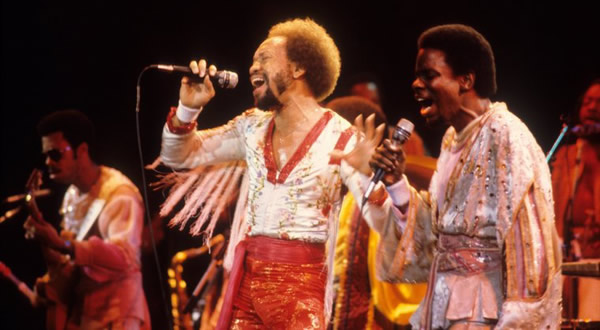
The baritone saxophone makes a huge difference in how I hear Tower of Power. That low voice gives the section weight and a dynamic character you recognize immediately. Stephen “Doc” Kupka is essential to that identity, alongside a horn tradition shaped by musicians including Emilio Castillo, Greg Adams, Mic Gillette, and Lenny Pickett.
Earth, Wind & Fire and Tower both had formidable technical command. With Tower, I hear that command in how tightly the section plays with the rest of the band. The section can make a rhythmic figure feel substantial from top to bottom; the lower voice gives the phrase somewhere to stand.
“What Is Hip?” and “Soul Vaccination” are obvious places to start, but “So Very Hard to Go” also belongs in the comparison. I want to hear that same command when the band slows down and the song asks for something else.
Listen: “What Is Hip?,” “Soul Vaccination,” “So Very Hard to Go.”
3. Con Funk Shun
Con Funk Shun is my dark horse. Their image felt approachable to me: funky-ass West Coast R&B, with musicians I could see myself in. Earth, Wind & Fire had that almost mystical presence and cinematic elegance. Con Funk Shun’s personality was more direct, even when the arrangements brought in strings and horns. Like Chic, they could use both; the feel and approach were their own.
Then there’s “Got to Be Enough.” That tumbling horn phrase, its syncopation, and the way it locks in are what I keep coming back to. “ConFunkShunizeYa,” “Chase Me,” and “Too Tight” keep me coming back to more of their records.
Paul Harrell, Karl Fuller, and Felton Pilate were the core reed-and-brass voices in the classic band, with additional players and arrangers contributing to studio recordings. Felton’s movement between trombone and lead vocals is a particular pleasure to watch.
And that horn-section choreography. In the Soul Train performance I remember, look at the parts they were playing and how much they were doing around them. When the horns came down, the choreography wasn’t just a two-step. They were dancing like the Pips—rocking like they were in a club. That’s what I loved about them. The horn players shared the front line, the choreography, and the vocal exchanges with Michael Cooper. Felton could move from trombone to the microphone and be right in the middle of it. That kind of movement, alongside those horn parts, made me want to watch the whole band.
Listen: “Got to Be Enough,” “ConFunkShunizeYa,” “Too Tight.”
4. L.T.D.
Put on “Back in Love Again,” then “Holding On.” Come on. That is a solid horn section. Jeffrey Osborne could command your attention, but those records also remind you how much band was behind that voice.
The horns were part of L.T.D.’s identity. The sound had breadth: Arthur “Lorenzo” Carnegie and Abraham “Onion” Miller on saxophones, Carle Wayne Vickers on trumpet and flugelhorn, and Jake Riley on trombone. Those names appear in the credits for Something to Love and Togetherness, the albums behind these two listening choices.
Bobby Martin’s arranging contribution deserves attention, too. A section’s sound comes from the players and the writing they bring to life. With L.T.D., that combination makes me pay attention to the whole record, even with a singer as strong as Osborne up front.
“The horn section was part of the identity of the group.”
Listen: “(Every Time I Turn Around) Back in Love Again,” “Holding On (When Love Is Gone).”
5. Brass Construction
Brass Construction. How could they not be in this conversation?
“Movin’” and “Changin’” are the first records I’d put on. The horns have a leading role in how you recognize the band. They give those repeated phrases their shape and force, and the repetition makes you listen harder to how the players deliver them.
Randy Muller’s musical direction helped define that sound. The classic section included saxophonists Michael “Micky” Grudge and Jesse Ward Jr., with Wayne Parris and Morris Price on trumpets. Reeds and brass, working together, with enough personality to carry the name on the record.
Their place in this list doesn’t depend on everybody knowing their catalog. Within R&B, Brass Construction belongs in a serious discussion of bands whose horns were central to the music. “Ha Cha Cha” is another stop before you move on.
Listen: “Movin’,” “Changin’,” “Ha Cha Cha (Funktion).”
6. Kool & the Gang
The early Kool & the Gang records make their case quickly. The horn phrases have personality: force, playfulness, and a rhythmic clarity that helps make the band immediately recognizable. Their roots in jazz matter to that ensemble identity, and Ronald Bell, Dennis Thomas, and Robert “Spike” Mickens belong in the story.
“Open Sesame” has to be part of this conversation. It’s a huge horn track, and for me it shows how much of a song’s excitement the section can carry. The horns have force and scale; they help make the whole record feel like an event.
Then put on “Jungle Boogie,” “Funky Stuff,” and “Hollywood Swinging.” Across those records, the horn phrases become part of the band’s vocabulary, contributing to the music’s character as fully as the bass and drums. You hear the band in those parts. That matters to me.
Listen: “Open Sesame,” “Jungle Boogie,” “Funky Stuff,” “Hollywood Swinging.”
7. Mandrill
Mandrill is one of the harder bands to place. That’s a good problem to have. The horn section is incredible, and the music asks you to listen beyond one idea of what an R&B band should sound like.
The Wilson brothers brought distinct voices: Lou on trumpet, Carlos on trombone, and Ric on saxophone, alongside their singing and other instrumental responsibilities. The band’s mixture of funk, Latin and Caribbean influences, and rock gave that section a different musical setting from several others here.
Start with “Git It All” and “Mango Meat,” then bring “Fencewalk” into the comparison. I want to hear what the horns contribute across that range. A band can have a huge overall sound; the section still has to give you something you remember.
Mandrill earns this place because the horns are worth following in their own right. The variety makes the argument more interesting.
Listen: “Git It All,” “Mango Meat,” “Fencewalk.”
8. Breakwater
Breakwater is the dark horse here. “Let Love In” got my attention, and “Splashdown Time” makes me want to stay with this band a little longer. That horn writing sounds extremely intentional to me.
The section sounds big. I wouldn’t put a number on the players just by listening, but there’s a scale to the recording that made me wonder how many horns I was hearing. They’re slick, carefully produced, and every entrance feels thought through. What I like is that all that production still fits the track. The horns have presence without making the rest of the band feel incidental.
On Splashdown, Greg Scott is credited with saxophones and horn arrangements, Gene Robinson Jr. with trumpet and vocals, and Vince Garnell with woodwind and vocals. Additional brass players include Jerry Hey, Gary Grant, and Bill Reichenbach. Hey also worked on Earth, Wind & Fire’s I Am: an actual studio-personnel connection, although Breakwater’s band and the Phenix Horns are separate ensembles.
Breakwater belongs to that late-’70s, early-’80s R&B world. Calling them obscure would miss what those records meant to the people listening. Here’s a band whose horns make me stop and pay attention, then hear more. That’s why they’re in this ten.
Listen: “Splashdown Time,” “Let Love In.”
9. Mass Production
Mass Production is another one of those bands. If you were listening to R&B in that period, the name belongs in the conversation. “Welcome to Our World (Of Merry Music)” is a good place to begin.
James Drumgole on trumpet and Gregory McCoy on saxophone were central horn voices in the classic band. They were part of a self-contained group, and the horns helped give that group its identity. Some recordings also involved additional brass players; the band’s core and the full studio credits deserve their own recognition.
“Firecracker” is the familiar stop, but I’d start this particular comparison with “Welcome to Our World,” then move through the catalog. The attraction is hearing the section work as part of that whole band.
Mass Production deserves a full entry here. There’s real pleasure in returning to a band like this and realizing how much you want to hear the horns again.
Listen: “Welcome to Our World (Of Merry Music),” “Firecracker.”
10. The Bar-Kays
What I loved about the Bar-Kays was the grittiness, the funk, the consistency. Sometimes I could hear echoes of other bands in their sound, but the horns always complemented what was happening. They were integrated into the track, always funky where they needed to be.
That matters. A section doesn’t have to turn every appearance into a showcase to make a band better. With the Bar-Kays, I loved how the horn writing supported the force of the whole thing. The relationship with the rest of the musicians is a big part of why they belong here.
Charles Allen and Harvey Henderson, with Frank Thompson joining the later lineup, are names to keep in view. “Holy Ghost” and “Shake Your Rump to the Funk” belong in the listening comparison, while the Wattstax performance of “Son of Shaft / Feel It” gives us the band’s stage presence. Those cats were among my heroes for a reason.
Listen: “Holy Ghost,” “Shake Your Rump to the Funk”; “Son of Shaft / Feel It” at Wattstax.
Honorable mention: KC and the Sunshine Band
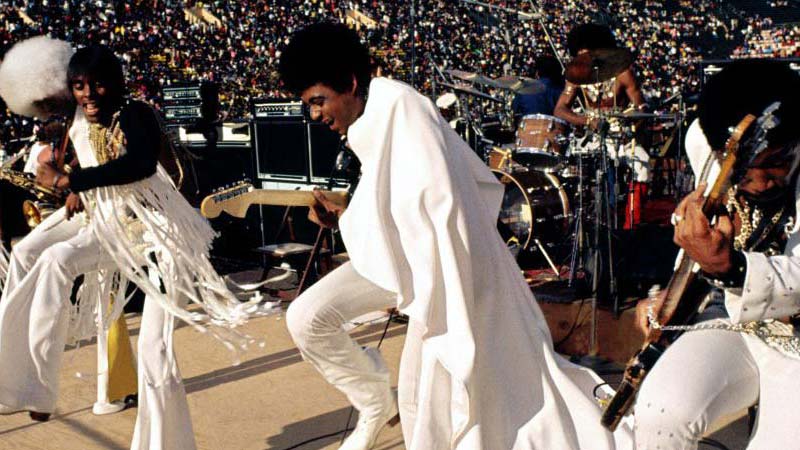
KC and the Sunshine Band wasn’t always on my radar, but they had a noticeable, formidable horn section. Those horns were a recognizable part of the band’s sound. And the choreography was crazy. Those brothers was getting down too. The horn players gave you something to hear and something to watch, and that deserves an honorable mention here.
Watch between the notes
Somebody is going to ask about James Brown, Parliament, Cameo, the Ohio Players, or MFSB. Fair enough. Ten places leave good musicians outside the list. These choices reflect the records and sections that held my attention, and the bands I wanted to spend more time hearing.
That’s what I hope happens here. Put the records on. Follow the horn parts. Listen to how the players come in together, how a lower voice changes the sound, how a phrase makes you stop what you’re doing.
Then watch what happens when the horns come down. The step, the turn, the move to the microphone, the preparation for the next entrance. That part of the performance held my attention as a kid, and it still does.
“Those dudes were my sports heroes. They were musicians. That’s how much they meant to me.”
Continue reading
← Back to Editorial